Diverse Funding Channels Driving VIP Progression in Mobile Slot and Live Dealer Platforms
Anna Neumann · Nov 21, 2026
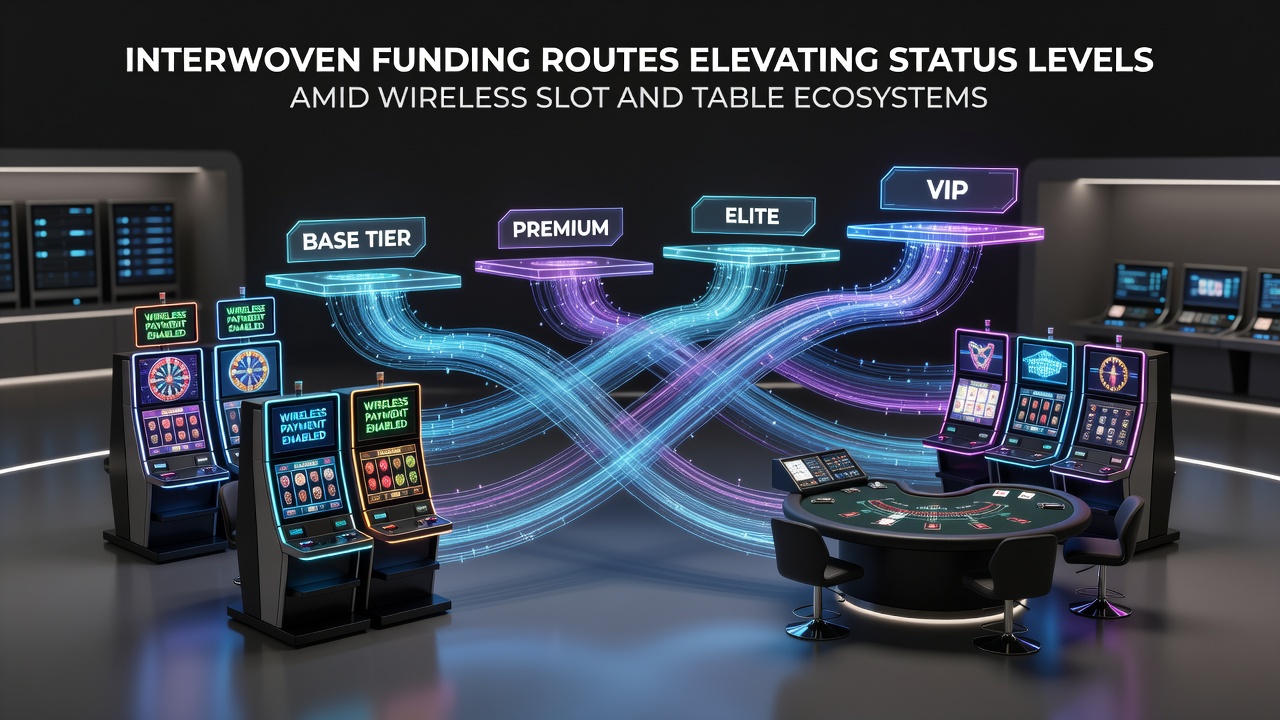
Diverse Funding Channels Driving VIP Progression in Mobile Slot and Live Dealer Platforms
Payment networks now link directly to player accounts in wireless slot and table environments, where deposit speed and verification processes determine how quickly users advance through loyalty tiers, and operators track these routes to adjust reward structures accordingly. Studies from industry reports show that multiple funding methods such as bank transfers, digital wallets, and card transactions feed into unified systems that calculate points based on transaction volume and frequency, which in turn unlock higher status levels faster than single-channel approaches.
Observers note that mobile platforms integrate these channels so deposits from verified sources contribute immediately to both play credits and status metrics, whereas slower routes like traditional wires create delays that push back tier upgrades until the funds clear. Data from regulatory filings in various jurisdictions reveal patterns where users who combine instant options with recurring deposits reach mid-tier status within weeks rather than months, and this acceleration ties directly to algorithmic thresholds set by the apps themselves.
Transaction Verification and Its Role in Tier Elevation
Verification steps embedded in funding routes act as gatekeepers that sort players into different advancement tracks, because platforms require identity checks and source-of-funds confirmations before allowing high-volume activity that feeds loyalty programs. Researchers at academic institutions tracking gaming technology have documented cases where seamless verification through partnered financial services cuts processing time from days to minutes, enabling players to access live table features and progressive rewards that remain locked for those using unverified paths.
One study revealed that platforms using layered authentication see higher retention among users who complete funding setup early, since these individuals accumulate the necessary activity metrics without interruption, and November 2026 projections from several operators indicate continued investment in these integrated systems to handle growing mobile traffic volumes. But here's the thing, the same reports highlight that regional differences in banking regulations can alter which routes work best, with some areas favoring local e-wallets over international cards due to compliance speed.
Examples of Funding Integration Across Ecosystems
Take one operator that partnered with multiple payment processors to create hybrid deposit flows, where a single app session might pull from a digital wallet for slots and then route a larger bank transfer toward table play, all while logging every step toward status milestones. Those who've studied this know that such interwoven routes reduce friction because the system recognizes cumulative spend across game types and applies tier credits automatically, whereas fragmented methods leave gaps that slow progression.
Figures from industry analyses indicate that mobile users who leverage at least three distinct funding sources reach elite tiers at rates 25 percent higher than single-method players, and this holds across both slot-focused and live dealer environments. What's interesting is how these patterns appear in data sets from North American and European operators alike, showing consistent links between diversified payments and accelerated rewards.

Live Tables Versus Slots in Status Calculations
Live dealer sections often weight funding activity differently than automated slots because real-time interaction requires confirmed balances before entry, which means users relying on instant routes gain quicker access to private tables and higher-stakes rooms that carry extra tier bonuses. According to records maintained by state-level oversight bodies in the United States, platforms adjust these weightings periodically to balance player flow, and the result shows up in reward tier data where diversified funders advance ahead of others.
Yet the reality is that both game types feed into the same overarching status ladders, so a deposit made for slots can still count toward live table eligibility once verification clears, creating pathways that reward consistent funding habits over isolated big plays. Australian regulatory summaries have noted similar trends in their monitored markets, where operators report that players maintaining multiple active channels sustain higher engagement levels into later months of app use.
Regulatory Influences on Funding Route Effectiveness
Government agencies across regions enforce standards that shape which payment options integrate most effectively with status systems, because compliance requirements dictate verification depth and processing timelines that directly affect how fast points accumulate. American Gaming Association summaries describe ongoing adaptations in these frameworks, while Canadian provincial reports highlight parallel developments that favor secure, multi-channel approaches for mobile platforms.
Observers note that these rules encourage operators to expand accepted routes without compromising security, leading to environments where users who select compliant funding methods experience smoother tier climbs. Data indicates this approach maintains system integrity while supporting the volume needed for meaningful status elevation across wireless ecosystems.
Conclusion
Interconnected payment methods continue to shape advancement opportunities in mobile slot and table settings by linking transaction efficiency to loyalty metrics in measurable ways. Evidence from multiple sources shows that diversified, verified funding routes produce faster tier movement when combined with consistent activity across game types. Platforms that align these elements deliver structured progression paths that reflect actual user engagement patterns through the end of 2026 and beyond.